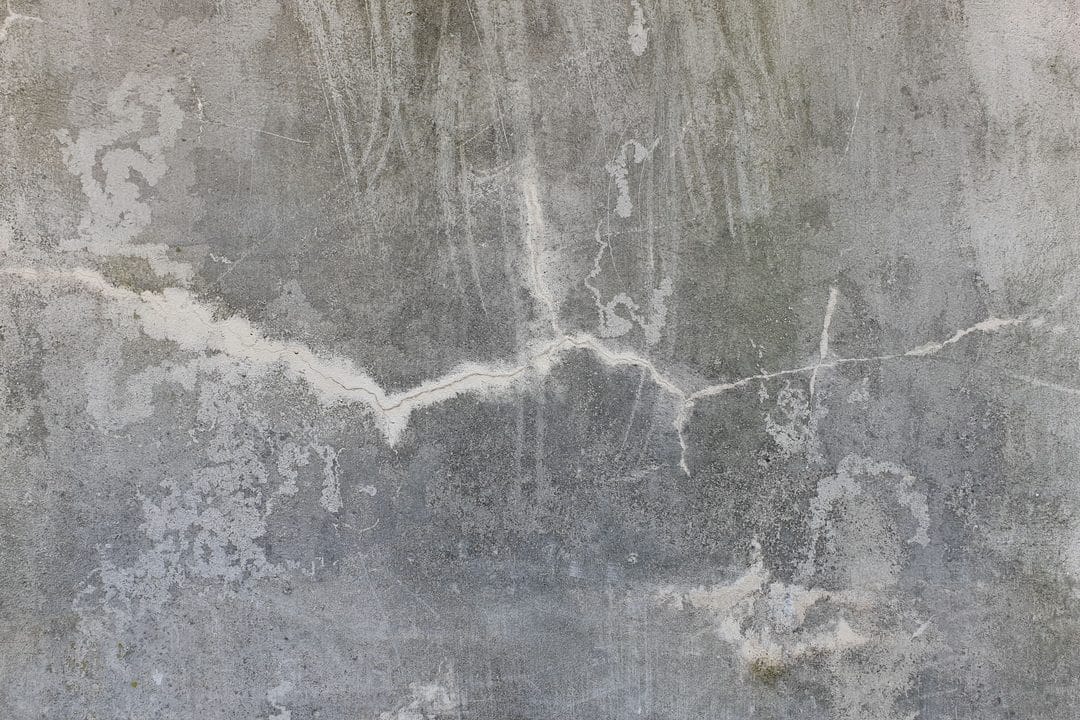
Thames Water's hosepipe ban started on 23 July, adding London and the Thames Valley to a list that already covered Kent, Hampshire, Devon, East Anglia, Cambridgeshire and parts of west Wales. Eight water companies now have restrictions in force, and 2025 was the driest summer on record before this one started drying the ground out even further. If a crack has opened up above your bedroom window or along a bay window reveal, this is exactly the moment insurers see subsidence claims begin to spike — not during the drought itself, but twelve to eighteen months after the clay underneath the house has finished shrinking.
Why the Cracks Show Up a Year After the Drought, Not During It
Clay-rich soil behaves like a sponge in reverse: it swells when wet and shrinks hard when dry, and shallow Victorian and 1930s foundations sitting on it simply follow the ground down. The Association of British Insurers recorded an average subsidence claim of £17,820 in the first quarter of 2026, up 9% on the year before and the highest figure it has ever logged, and it points squarely at last year's drought as the driver. The British Geological Survey classifies roughly one in ten patches of British land as the worst grade for shrink-swell risk, concentrated across London, the Home Counties, East Anglia and the Midlands clay belt, so this is not an evenly spread problem — postcode matters enormously. Structural engineering data compiled earlier this year also found that single-storey bungalows on shallow foundations are subsiding at rates around 40% higher than two-storey houses across the same clay-heavy regions, which sounds counter-intuitive until you remember that a bungalow's whole weight sits on a much shorter run of footing relative to its floor area. Here's the part that catches people out: a hosepipe ban this summer does not mean less risk to your own walls. The movement causing a crack that appears in September usually traces back to the ground drying out last year, so the fact you can't water your garden right now has no bearing on whether your own foundations are already mid-shrink from 2025's conditions. Historically the pattern repeats after every notably dry summer — 2003, 2006, 2010-11, 2018 and 2022 all produced a bump in claims the following year, with the 2022 heatwave alone generating around 18,000 subsidence claims in the second half of that year. If your house sits on clay and you've noticed a crack this summer, treat the timing as expected rather than reassuring.
The BRE Scale: What Actually Counts as Subsidence
Most cracks in a UK house are not subsidence.
Building surveyors use the BRE Digest 251 classification to separate cosmetic movement from structural movement. It's worth learning the thresholds before you panic — or, just as often, before you dismiss something that actually needs looking at:
- Category 1 — fine cracks up to about 1mm, usually only affecting decoration. A flexible filler and a fresh coat of emulsion sorts these out, and no further action is normally needed.
- Category 2 — cracks up to around 5mm, easily filled, sometimes recurring seasonally, doors and windows may start sticking slightly.
- Category 3 and above — cracks over 5mm, often diagonal or stepped through brickwork rather than running along a plastered wall, with doors and windows binding noticeably. This is where a surveyor stops reaching for filler and starts reaching for the phone.
- Anything in the 16-25mm range or beyond is classed as severe damage under the same scale, though very few domestic cases ever get that far before someone intervenes.
A crack that opens and closes with the seasons — wider in August, tighter by Christmas — is behaving exactly as a Category 1 or 2 crack should, and that seasonal breathing is actually a reassuring sign rather than an alarming one. What should worry you is a crack that keeps growing in the same direction month after month with no seasonal give, particularly if it runs diagonally from a door or window corner, because that pattern points to ongoing foundation movement rather than normal thermal and moisture cycling in the wall finish.
What You Can Safely Check Yourself This Weekend
None of the following requires a structural engineer. It costs perhaps £150 all in, and doing it properly now will save you weeks of argument with an insurer later:
- Photograph every crack with a coin or a tape measure laid alongside it for scale, and note the date somewhere you won't lose it — the file name is fine.
- Fit a proper monitoring gauge across the worst crack rather than trusting your memory of how wide it looked in June.
- Check that gutters and downpipes anywhere near the crack aren't leaking — a saturated patch of clay hard against the footings behaves completely differently from the rest of the garden, and a blocked hopper is one of the easiest causes to rule out yourself.
- Note which trees sit within roughly half their eventual mature height of the affected wall, particularly thirsty, fast-growing species such as oak, poplar, willow and Leylandii, and so on.
Buying a Proper Crack Monitor
A ruler and a Sharpie mark will tell you roughly what's happening, but a dedicated Tell-Tale gauge does the job properly. Avongard, the market leader on these, sells a basic gauge from around £8-15 through specialist suppliers such as Sunbelt Sales, a Home Monitoring Kit at £95, and a full Crack Monitoring Kit at £149 direct from the manufacturer. Buy the proper kit rather than improvising with a glued glass strip or a pair of digital callipers — a £95 gauge that produces a clean, dated record of movement in millimetres is genuinely the better choice here, because that record is exactly what an insurer or structural engineer will ask to see, and homemade methods rarely survive being questioned in a claim.
Tell Your Insurer First — Before You Pick Up a Filling Knife
Standard buildings insurance excess sits around £100-£250. Subsidence excess is a different animal entirely, typically £1,000-£2,500 and sometimes higher on older properties or in postcodes already flagged as higher risk. Don't fill a crack that's still moving, whatever the temptation — ring your insurer the week you notice it, because arranging your own repairs before they've assessed the damage is one of the most common reasons subsidence claims get refused outright.
This feels backwards when the crack looks purely cosmetic and the excess is eye-watering: skimming over a 1mm hairline crack yourself costs about the price of a tub of Toupret from Wickes, against an excess that can run to £2,500 if it later turns out to be genuine subsidence. But you don't actually know which one you're dealing with until someone measures it properly against the BRE scale, and once you've plastered over the evidence there's no way to prove to anyone what the crack looked like when you first found it. Insurers will usually appoint a structural engineer themselves once you've reported it, and that visit typically costs you nothing beyond the excess if a claim is eventually accepted.
When to Call a Structural Engineer, and What It Costs
If a crack is already Category 3 on the BRE scale, growing without a seasonal pattern, or accompanied by sticking doors and visible rotation towards a nearby tree, get an independent structural assessment even if you haven't yet told your insurer. Fees run at roughly £50-£100 an hour, with a focused crack assessment starting from about £200 and a full subsidence investigation typically £500-£1,200 — expect London quotes to sit 20-30% above that range. Two causes dominate almost every genuine case: shrinkable clay drying out around tree roots, and a leaking drain quietly washing out or softening the ground beneath a section of wall. A drain survey costs £150-£400 and is worth arranging early, since fixing a cracked pipe is a far cheaper fix than anyone initially assumes, and tree root removal or crown reduction typically runs £150-£1,000 depending on the species and how established it is. The encouraging part of all this is that most homes never need underpinning at all. Where the root cause turns out to be a leaking drain or an over-thirsty tree, sorting that cause plus repairing the resulting cracks commonly comes to a few thousand pounds total, not the eye-watering sums people brace themselves for after hearing the word "subsidence" for the first time.
If It Really Is Subsidence: Underpinning, Party Walls and the Real Numbers
Underpinning is the last resort, reserved for cases where movement is ongoing, the foundations genuinely can't support the structure any more, or lesser fixes haven't stopped things getting worse. A structural engineer has to be involved for any underpinning work — they confirm the method, submit documentation to Building Control, and sign off a Certificate of Structural Adequacy once it's finished. Indicative design-and-build rates run around £1,500 per metre run, with whole projects commonly landing anywhere from £10,000 to £50,000 or more depending on how much of the perimeter needs treating, and costs in London and the South East typically sit 30-50% above the national figures quoted here.
If the affected wall is shared with next door, you'll also need a Party Wall Agreement before any structural work starts, which can add up to £1,000 per neighbour once surveyors' fees are included on both sides — get this sorted early, because an uncooperative neighbour can hold up work for months. Unresolved, active subsidence can knock 20-25% off a property's value, which is exactly why insurers move fast once a claim is confirmed rather than leaving it to drift; a house with a properly closed-out subsidence history and underpinning certificate on file is a very different sell to one with an open, unexplained crack that nobody's ever measured.
Keep whatever crack records you build this year even after the immediate worry passes. When you eventually sell, you're legally required to disclose known subsidence history on the TA6 property information form, and a folder of dated photos and gauge readings showing a crack settled down naturally is worth considerably more to a buyer's surveyor than your word that it's always been like that.