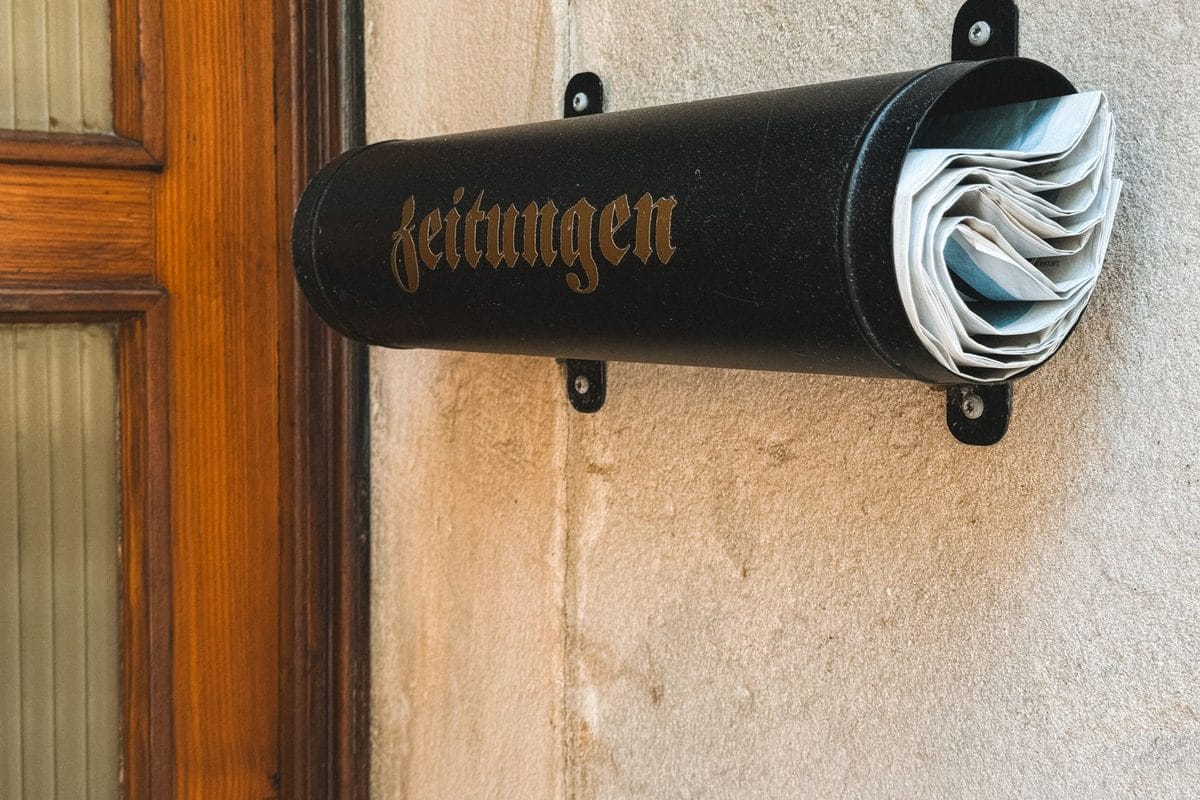
Stand by your letterbox on a breezy evening this week and you'll probably feel it before you see it — a thin, cold thread of air working its way past the flap and into the hallway. That draught has been there all summer too, you just haven't noticed it, because a 15°C breeze through a gap doesn't register the way a 4°C one does in December. Late September, with the heating still off but the first properly cold nights arriving, is the honest window to find every gap in a house before you're paying to heat the street through it.
Why This Is a September Job, Not a November One
Sealant, foam strip and brush excluders all need a dry surface and a temperature above about 5°C to bond properly, which rules out doing this work in the middle of a cold snap when you'd most want it done. Waiting until the first frost means fitting draught excluders to doors and windows that are already cold and slightly damp, and adhesive-backed strips applied to a cold, damp frame have a habit of lifting within a few weeks. There's also a simple economic argument: the Energy Saving Trust puts the potential saving from draught-proofing a typical semi-detached house at somewhere around £60–£125 a year on heating bills, and every week you delay is a week of that saving you don't get back once the boiler starts running properly in October.
None of this is expensive or complicated work. A full draught-proofing pass on an average three-bed semi — letterbox, keyhole, loft hatch, two external doors and the worst of the windows — typically costs somewhere between £40 and £90 in materials from Wickes, Screwfix or B&Q, and most of it can be done in an afternoon with a tape measure, scissors and a bit of patience.
Finding the Actual Gaps
Skip the incense-stick trick everyone recommends online — smoke drifts in ordinary room air currents even with no draught present, and it's genuinely hard to tell a real leak from background movement. Wet the back of your hand and run it slowly around window frames, door frames, loft hatches and skirting boards on a windy day; a real draught feels distinctly cold against damp skin in a way it doesn't against dry skin, and you'll find gaps in about ten minutes that you'd never have spotted by eye. Check the usual suspects first — letterboxes, keyholes, loft hatches, the gap under external doors and around old single-glazed window frames — but also check where pipes and cables pass through external walls, because those gaps are often bigger than anything around the doors and almost always ignored.
Letterboxes, Keyholes and the Cheap Wins
A standard letterbox with no brush seal is one of the biggest single sources of draught in an ordinary front door — proportionally far worse than its size suggests, because it's a straight-through gap at roughly head height with no bend to slow the airflow. A brush-strip letterbox draught excluder costs around £10–£18 at Screwfix or Wickes and fits with two screws in under five minutes; it's the single best value job on this entire list, full stop.
Keyholes are a smaller loss individually but cheap to fix anyway — a self-closing keyhole cover runs about £3–£6 and takes thirty seconds to fit. For a few pounds more, do these together with:
- A brush or foam seal around the letterbox flap itself, not just the box
- Foam strip around any unused key-operated locks on a composite door
- Sealing the gap where the door handle spindle passes through, if there's a visible gap
and so on — anywhere metal fittings pass straight through the door leaf is worth a look.
External Doors: Brush Strips and Threshold Seals
Run your hand around the whole frame of the front and back doors before doing anything else, because the fix depends entirely on where the gap actually is. Gaps around the sides and top of the door frame usually mean the seal has perished or was never fitted — self-adhesive foam or brush strip from B&Q (around £5–£9 for a 6m roll) sorts this in twenty minutes per door. Gaps under the door are a different problem entirely and foam strip won't fix them; you need a proper draught excluder brush or a hinged threshold seal, which costs £10–£20 at Toolstation and needs the door to close cleanly over it without dragging.
Composite and uPVC doors fitted in the last decade rarely have a draught problem worth chasing — the compression seals built into modern door sets are genuinely good, and if you've got real cold air coming through a five-year-old composite door, the more likely culprit is a hinge that's dropped slightly and needs adjusting, not a missing seal. Old timber doors are a different story entirely, and it's usually the ill-fitting frame rather than the door leaf itself letting the cold in.
Windows: Where It Gets Genuinely Tricky
Single-glazed sash windows in older properties are the worst offenders by a wide margin, and brush-pile draught excluder strip fitted into the sash channels (roughly £15–£25 for a full window from a specialist supplier, or a basic self-adhesive version for about £8 from Wickes) makes a real, felt difference within the first cold week. Do not use expanding foam sealant anywhere near a window that's meant to open — it bonds the sash shut permanently, and prising a foam-sealed sash window open again usually means replacing the parting bead.
Here's the part most guides skip entirely: you cannot legally or sensibly seal a window's trickle vents shut, even though they're a deliberate, obvious source of draught. UK Building Regulations Part F requires background ventilation in habitable rooms specifically to prevent condensation and mould, and a home sealed too tightly without that ventilation ends up with a damp problem that costs far more to fix than the draught ever did in heating bills. Leave trickle vents alone — seal the frame, the sash channels and the handles, not the vent itself.
Loft Hatches and the Gap Everyone Forgets
A loft hatch with no seal sits directly above a heated room and opens straight into an unheated, often ventilated loft space — which makes it, gap for gap, one of the worst offenders in the whole house. A self-adhesive foam seal kit for a standard loft hatch costs around £8–£12 at B&Q, and if the hatch doesn't have a positive latch holding it firmly shut against the seal, add one; a hatch that just rests on its frame will let warm air push straight past a brand-new seal within the first strong gust.
Suspended Timber Floors: The Victorian Terrace Problem
If the house has original floorboards over a suspended timber floor — common in anything Victorian or Edwardian, and plenty of 1930s semis too — there's a whole layer of draught most people never think to check. Gaps between boards open straight onto the cold, ventilated void underneath the house, and on an older floor that's never been touched, those gaps can add up to a genuinely significant cold spot right where you're standing barefoot in socks. Flexible acrylic decorator's caulk (around £4–£7 a tube from Toolstation) handles narrow gaps well, applied with a proper sealant gun rather than squeezed straight from the tube; for wider gaps, a specialist floor gap-filling rope or strip, pressed in and painted over, works better than caulk alone and costs roughly £10–£15 for enough to cover a decent-sized room.
Don't seal every single airbrick around the base of the house while you're at it — those are there deliberately, to ventilate the underfloor void and keep the joists dry, and blocking them causes damp and wood rot that costs vastly more to fix than any draught saving is worth. The floorboards themselves are fair game; the airbricks in the outside wall are not.
Worth It Versus Not Worth It
Draught excluders for letterboxes, keyholes and loft hatches are worth doing in every single house, no exceptions — they're cheap, quick and there's no downside. Chimney draught excluders (inflatable "chimney balloons" at roughly £15–£20 from Screwfix, fitted a few feet up the flue) are worth it too, but only for a fireplace that genuinely isn't used over winter; fit one in a chimney you still light fires in occasionally and you risk carbon monoxide building up in the room if you forget to remove it first.
Skip secondary glazing film kits unless the windows are genuinely poor single glazing — on anything double-glazed from the last twenty years, the film makes a marginal difference at best and it's fiddly enough to apply that the time cost outweighs the saving.
The Week This Actually Pays Off
Get the letterbox, loft hatch and worst external door done this weekend, then work through the rest over the following fortnight as time allows — there's no need to do it all in one exhausting Saturday. The first proper cold snap of the year is the test: stand by that same letterbox again on a windy night in late October, and if you can't feel the draught anymore, the £60 you spent in September just started paying itself back.