Most people think of lawn care as a spring job — feed it, mow it, done. That's backwards for anything that actually matters long-term. The lawn that looks patchy, mossy or thin every single spring almost always has a problem that spring feed can't fix, because the real renovation window closed months earlier. Mid-September, with the soil still warm from summer and the worst of the heat gone, is the single best fortnight of the year to scarify, aerate and overseed a UK lawn — and most homeowners miss it entirely because every garden centre display in April says otherwise.
Why September Beats Spring for Lawn Renovation
Grass seed needs warm soil and consistent moisture to germinate reliably, and September in most of the UK delivers both — soil temperatures are typically still 12–15°C, rainfall picks up from the summer dry spell, and daytime growth is still active enough for new seedlings to establish roots before winter dormancy sets in. Spring seeding fights against exactly the opposite conditions: cold, often waterlogged soil, unpredictable late frosts, and weed seeds germinating at the same rate as your grass seed, competing for the same space. A lawn overseeded in September has roughly eight weeks of decent growing weather before growth slows for winter — enough time for new grass to knit into the existing turf and survive its first frost with some resilience. Sow the same seed in April instead, and it's competing with crabgrass, dandelions and clover that are all waking up at the same moment, with no head start.
There's also a practical reason September works better than August: the worst of any summer drought stress has usually passed by now, so you're not scarifying a lawn that's already struggling, and you're not asking new seed to germinate into baking-dry soil that needs watering twice a day to survive.
Reading the Lawn Before You Touch It
Walk the lawn and actually look at what's under the green. Push a garden fork or a screwdriver into a few different spots — if it goes in easily to a few inches, drainage and compaction are probably fine; if it barely penetrates an inch, the soil is compacted and water is sitting on the surface rather than draining through. Part the grass with your fingers in a patch that looks thin and check for a spongy brown layer between the green blades and the soil — that's thatch, a build-up of dead organic matter that blocks water, air and nutrients from reaching the roots, and it's the single most common reason a lawn that's fed and watered correctly still looks poor.
Moss is a symptom, not the actual problem. Killing moss with an iron sulphate treatment (Wickes and B&Q both stock this, typically £8–£14 for a lawn-sized bag) turns it black within a couple of days, which looks satisfying, but if the underlying cause — usually shade, poor drainage, or compacted soil — isn't addressed, the moss comes straight back within a season. Treat the moss first if there's a heavy covering, since raking through thick dead moss clogs a scarifier within minutes, then deal with the actual cause afterwards.
Scarifying: Getting the Thatch Out
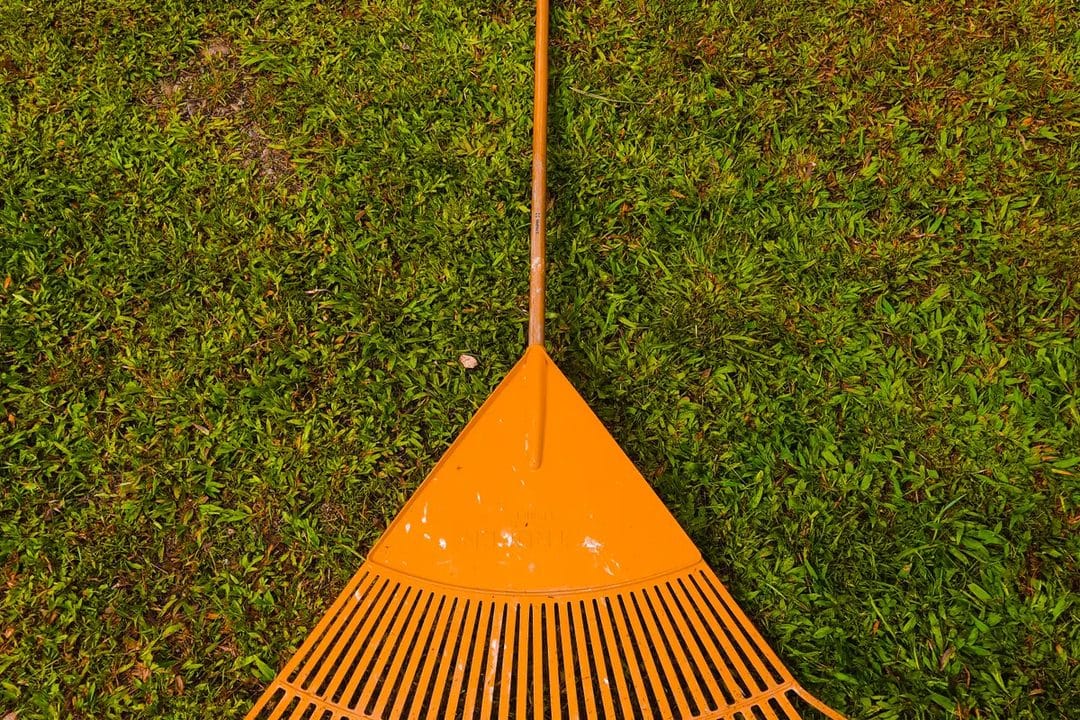
For a small lawn, a manual spring-tine rake works, though it's genuinely hard going on anything over about 40 square metres — expect blistered hands and a couple of hours of proper effort. For anything larger, an electric scarifier makes the job realistic in an afternoon. Flymo and Bosch both sell domestic electric scarifiers in the £90–£160 range at B&Q and Screwfix, and for a lawn over roughly 150 square metres, or if the thatch layer is genuinely thick, hiring a petrol scarifier from HSS Hire (around £45–£65 for a day) does a noticeably more thorough job and covers ground far faster.
The lawn will look considerably worse immediately after scarifying — that's normal, and it's the reason so many people avoid doing it. You're pulling out a genuine layer of dead thatch and moss, and a heavily thatched lawn can produce several full bin bags of debris from a modest garden. Set the scarifier blades shallow on the first pass if you haven't done this before; going too deep on the first attempt can tear out healthy grass along with the thatch, and you can always run a second, slightly deeper pass once you've seen how the lawn responds.
Aerating: Solving What Scarifying Can't
Scarifying deals with thatch on the surface. Aerating deals with compaction below it, and they're not interchangeable — a lawn can have both problems, or just one, and treating only the visible thatch leaves compacted soil underneath doing exactly the same damage next year. Hollow-tine aerators, which physically remove small plugs of soil rather than just pushing spikes in, are the better choice for genuinely compacted clay soil; solid-tine spikes are fine for lighter maintenance on soil that isn't badly compacted. A basic manual hollow-tine aerator costs around £20–£35 at Wickes; for a full-size lawn, a petrol aerator from HSS Hire (roughly £50–£70 a day) turns what would be a weekend of manual labour into a couple of hours.
Leave the soil plugs on the surface to break down naturally, or rake them up and work them into thin patches before overseeding — either is fine, but don't skip this step to save time. It's the one part of the job people most often cut when they're tired from scarifying, and it's arguably the more important of the two.
Overseeding: Seed Choice and Getting Germination Right
Match the seed to what the lawn actually does, not what looks good on the bag. A hard-wearing family lawn with dogs and children needs a ryegrass-dominant mix (Johnsons or Miracle-Gro's EverGreen ranges both do a "hardwearing" or "family lawn" blend, around £15–£25 for a bag covering 100–150 square metres); a lawn in heavy shade under trees needs a shade-tolerant fescue mix instead, since standard ryegrass mixes simply thin out and fail under tree canopy regardless of how much seed you put down.
Spread seed at the rate stated on the packaging — more isn't better, and overseeding too thickly leads to seedlings competing with each other for light and nutrients, producing weaker overall growth than a correctly-rated application. Rake lightly to work seed into the soil surface (aim for good seed-to-soil contact, not burial — seed sitting on top of dry thatch simply blows away or gets eaten by birds), then water daily for the first two to three weeks if rainfall doesn't do it for you. Light, frequent watering matters more than one heavy soak; germinating seed needs the top half-inch of soil consistently damp, and letting it dry out even once during germination kills a meaningful percentage of the seedlings.
Feeding: Why Fast-Release Nitrogen Is the Wrong Choice Now
Skip the spring or summer lawn feed at this time of year. A high-nitrogen fast-release feed pushes soft, sappy top growth right before winter, and that soft growth is exactly what's most vulnerable to frost damage and fungal disease like red thread or fusarium patch over the colder months. An autumn-specific feed (Westland Aftercut Autumn or Miracle-Gro EverGreen Autumn, both around £12–£18 at Wickes or B&Q) contains lower nitrogen and higher potassium instead, which strengthens root development and improves cold tolerance rather than forcing leaf growth that'll just get knocked back by the first hard frost.
Apply autumn feed a week or two after overseeding, not on the same day — fresh grass seedlings can scorch from feed applied too early, before they've established enough root to handle it.
Hire Versus Buy: What Actually Makes Sense
For a typical UK garden lawn — anything under about 100 square metres — buying an electric scarifier and a manual aerator pays for itself within two or three years if you're planning to do this annually, and both store easily in a shed. For a larger lawn, or if this is a one-off renovation rather than an annual habit, hiring petrol equipment from HSS Hire for a single day covers scarifying and aerating in one session and avoids storing bulky kit you'll use once a year.
The one thing not worth doing on any lawn size: skipping aeration entirely and just overseeding into compacted soil. New grass planted into ground that won't drain fails at roughly the same rate whether the lawn is 30 square metres or 300 — the seed germinates, the roots hit compacted clay a couple of inches down, and growth stalls exactly where it did before you started.
The Window Is Real, and It's Closing
Aim to have scarifying, aerating and overseeding finished by the first week of October at the latest for most of the UK — later than that and new seedlings won't have built enough root reserve before growth slows for winter, and a hard early frost can wipe out a late-sown patch entirely. Miss the window this year and the next realistic opportunity is March, by which point you're back to competing with weed seeds and cold, slow-draining soil — the exact conditions this whole September push exists to avoid.